














-3.jpg)

The Best and Worst Foods for Focus, According to Brain Health Experts
From protein-packed breakfasts to omega-3s, we reveal the everyday foods and eating habits that can help you stay sharper, think more clearly and avoid the energy dips that derail concentration.

Geschrieben von: Samantha Nice
Geschrieben am: 22 July 2026
If your concentration disappears halfway through the afternoon, it's easy to blame your inbox, back-to-back meetings, or a bad night's sleep. Few of us stop to consider what's on our plate. Despite accounting for just 2% of your body weight, your brain uses around 20% of your energy at rest. In fact, it is one of the hungriest organs in the body. Every decision, presentation, memory and creative idea depends on a continuous supply of fuel, oxygen, and nutrients.
That doesn't mean there's a single ingredient capable of transforming your productivity. No food can undo four hours of sleep or cancel out chronic stress. Diet can, however, make it easier for your brain to do what it does best by providing steady energy and the nutrients it relies on every day.
Sarah Ann Macklin, ANutr, a nutritionist and psychologist, and Dr. Sabina Brennan, C.Psychol, PsSI, PhD, a neuroscientist, approach the subject from different disciplines, yet arrive at the same conclusion: The strongest evidence points towards eating in a way that keeps you fuelled, hydrated, and satisfied from breakfast through to dinner.
The foods most consistently linked with better focus aren't necessarily the trendiest or the most expensive. They simply give your brain what it needs, when it needs it.
Why food has more impact on focus than most people realise
Many of us think of focus as something we're either born with or constantly chasing. Dr. Brennan sees it very differently. "Focus isn't controlled by one part of the brain," she explains. "It's the result of several brain networks working together." The prefrontal cortex acts like the brain's conductor, helping you keep your goal in mind, ignore distractions, and stay on task. Chemical messengers including dopamine, noradrenaline, and acetylcholine regulate alertness, motivation, and attention. Keeping that system running requires continuous mental effort, which is why poor sleep, stress, illness, dehydration, and inadequate nutrition can all make concentration noticeably harder.
Glucose is the brain's preferred fuel, which has led to the popular idea that more sugar equals better thinking. "The brain needs a continuous supply of glucose, but more sugar doesn't mean better thinking," says Dr. Brennan. "In healthy people, the body works hard to keep blood glucose within a relatively narrow range, ensuring the brain receives a steady supply of fuel."
Instead of focusing on carbohydrates alone, think about how the whole meal is built. "The winning formula for long-lasting focus is protein plus slow-releasing wholegrain carbohydrates," says Macklin, author of the book Healthy Shouldn’t Be This Hard. "Protein helps keep you full and prevents hunger from hijacking your concentration, while whole grains provide a steadier stream of energy to the brain."
That combination is also more satisfying, making it much less likely you'll be raiding the cupboards an hour later.
The brain also depends on a steady supply of nutrients. DHA, an omega-3 fat found in oily fish, forms part of brain-cell membranes, while choline is needed to produce acetylcholine, a neurotransmitter involved in learning and attention. Iron, iodine, and B vitamins are equally important because deficiencies in any of them can make concentration noticeably harder.
The 5 best foods for focus
No single food will be able to transform your focus and concentration overnight. But there are foods that both experts return to because they provide the nutrients and steady energy the brain relies on every day.
1. Oily fish
If there's one food consistently associated with better brain health, it's oily fish. Salmon, sardines, mackerel, and trout provide DHA and EPA, omega-3 fats that form part of brain cell membranes. "Omega-3 fats are essential building blocks that help the brain function normally," says Dr. Brennan.
Higher intakes of oily fish have consistently been linked with healthier cognitive ageing and a lower risk of cognitive decline, although eating more fish won't sharpen your focus overnight.
How much should you be getting? The NHS recommends at least two portions of fish a week, including one oily fish. That's a sensible benchmark for overall health and an easy way to increase your intake of DHA and EPA.
Best sources:
- Salmon
- Sardines (fresh or tinned)
- Mackerel
- Trout
- Herring
"The strongest evidence supports getting omega-3 through food rather than supplements unless a deficiency exists," adds Dr. Brennan. If you don't eat fish, an algae-based omega-3 supplement provides a vegetarian source of DHA.
2. Eggs
Eggs are one of the few foods that combine high-quality protein with choline, a nutrient your brain uses to produce acetylcholine. This neurotransmitter helps nerve cells communicate and is involved in attention, learning, and memory. They also provide vitamin B12, iodine, and selenium, nutrients that contribute to normal brain and nervous system function.
Macklin regularly recommends eating eggs at breakfast because they're far more likely to keep you fuller for longer. Pairing protein with fibre-rich carbohydrates helps create a breakfast that helps prevent hunger and energy dips later on.
Eating two eggs provides around 12 to 13g of protein and 300mg of choline, supplying more than half of an adult's daily choline requirement.
3. Berries
Blueberries have become almost synonymous with brain health, and this is one nutrition trend backed by good evidence. They’re one of the richest sources of anthocyanins, plant compounds that help protect blood vessels, including those supplying the brain. Diets rich in anthocyanin-containing foods have also been linked with healthier cognitive ageing.
Fresh and frozen berries offer very similar nutritional value, so there's no need to wait until they're in season. Keeping a bag of frozen berries in the freezer is an easy way to eat them year-round.
Aim for at least one handful (80–100g) several times a week.
Best sources:
- Blueberries
- Blackberries
- Blackcurrants
- Raspberries
Add them to Greek yoghurt, overnight oats, porridge, or smoothies for an easy way to increase both fibre and plant diversity.
4. Nuts and seeds
Few foods pack as many nutrients into such a small handful. Nuts and seeds provide healthy unsaturated fats, magnesium, vitamin E, fibre, and polyphenols, while also helping to keep you satisfied between meals. For Macklin, that's one of their biggest advantages.
"Protein helps keep you full and prevents hunger from hijacking your concentration," she says. Pairing nuts or seeds with other protein-rich foods makes it much easier to avoid the afternoon slump driven by hunger rather than a lack of focus.
Consuming roughly 30g (one small handful) most days should get you to the right amount to aid focus.
Best sources:
- Walnuts: Rich in plant omega-3 fats (ALA).
- Almonds: High in vitamin E and magnesium.
- Pumpkin seeds: A good source of magnesium, zinc and iron.
- Chia seeds: Rich in fibre and plant omega-3 fats.
- Flaxseed: High in fibre and ALA omega-3.
Go for unsalted varieties if you can.
5. Water
Neither expert hesitated when asked to name one of the most overlooked contributors to better focus. Obviously, water isn't a food, but Macklin says it deserves a place on the list because the brain is highly sensitive to hydration status.
"Even mild dehydration can contribute to fatigue, headaches and difficulty sustaining attention," she says. "Often, when someone feels mentally foggy, they reach for more coffee or sugar when what they may actually need is more water."
How much? The NHS recommends around drinking six to eight glasses (1.5–2 litres) of fluid each day, although you'll need more in hot weather or after exercise. Tea and coffee both contribute to your daily fluid intake, but water should still make up the majority.
5 habits that can make it harder to focus
No single superfood guarantees razor-sharp concentration. Equally, there are a few common ways of eating that can leave your brain working harder than it needs to. For Macklin, the biggest obstacles aren't specific foods. They're eating in ways that leave you hungry, dehydrated, or under-fuelled.
1. Sugary, low-protein breakfasts
A croissant on the commute or a bowl of sugary cereal isn't "bad". The issue is that these breakfasts often contain very little protein or fibre, making them less satisfying. "They may provide energy, but they won't keep you full for long," says Macklin. When hunger returns mid-morning, concentration often disappears with it.
A better swap: Choose a breakfast containing both protein and fibre, such as eggs on wholegrain toast or porridge topped with Greek yoghurt, berries and nuts.
Meals low in protein and fibre
A bowl of pasta or a sandwich isn't the problem, it's what else makes it onto your plate. Meals that don't contain enough protein or fibre are often satisfying in the moment but don't stay with you for long. When hunger returns, focus usually isn't far behind.
Rather than removing foods, Macklin prefers adding to your plate. Chicken, eggs, fish, tofu, beans, or Greek yoghurt alongside whole grains and vegetables creates a meal that's more satisfying and helps keep hunger from interrupting your concentration.
Skipping meals
Intermittent fasting may suit some, but it isn't the right approach for everyone, particularly if you're facing a mentally demanding day. "Not eating enough is one of the biggest dietary triggers of poor concentration," says Macklin. "Skipping meals or relying on very small meals can leave someone hungry, distracted and low in energy, particularly if they're also exercising or working long hours."
If this sounds familiar, try eating a little earlier or adding a protein-rich snack between meals to see whether your focus becomes easier to maintain.
Alcohol before bed
An evening drink can make you feel sleepy, but it doesn't necessarily improve the quality of your sleep. Alcohol reduces both deep and REM sleep, the stages most closely linked with learning, memory, and attention. The effects often carry into the following day, even if you don't wake up with a hangover.
For Dr. Brennan, sleep is one of the biggest influences on day-to-day concentration. "Even one poor night's sleep reduces attention, decision-making and the ability to ignore distractions."
Enjoying a drink occasionally isn't the issue but if poor sleep has become a pattern, alcohol is one of the first things to pull back on.
Relying on caffeine
Coffee absolutely has its place for boosting alertness and improving focus. The problem is expecting it to compensate for everything else. If you're reaching for your third coffee before midday, it's worth asking why. Did you skip breakfast? Eat a lunch that didn't fill you up? Sleep badly?
Caffeine can sharpen your focus for a while, but it can't make up for too little food or too little sleep. If the foundations aren't there, another flat white is unlikely to be the answer.
Does balancing blood sugar improve focus?
Yes, but not because you need to avoid every glucose spike. Blood sugar has become one of the biggest yet most-misunderstood talking points in nutrition. "The brain runs on glucose," says Dr. Brennan, "but more sugar doesn't mean better thinking."
For most people, the body keeps blood glucose within a relatively narrow range throughout the day. Eating a biscuit doesn't suddenly flood the brain with extra fuel, just as eating a balanced meal doesn't require a perfectly flat glucose response to benefit your health.
What does make a difference is the way your meals are built. Combining carbohydrate with protein, fibre, and healthy fats slows digestion, keeps you satisfied for longer, and provides a steadier release of glucose as your body breaks food down. As Dr. Brennan explains, "This helps prevent hunger becoming a distraction and may support more consistent mental performance throughout the day."
Blood sugar also matters over the long term. Diets high in highly processed foods increase the risk of obesity, insulin resistance and type 2 diabetes, each of which is linked with poorer cognitive health later in life.
For everyday concentration, there's little evidence that you need to chase perfectly flat glucose curves. Putting together balanced, satisfying meals is likely to make a much bigger difference.
Are supplements helpful for focus?
Supplements promising sharper thinking, better memory, and limitless productivity are easy to find, but high-quality evidence supporting them is much harder. That doesn't mean every supplement should be dismissed. Here are three backed by the strongest evidence.
Omega-3 (EPA & DHA)
Oily fish earned its place as one of the best foods for focus for good reason. If salmon, sardines, or mackerel rarely make it onto your plate, an omega-3 supplement is one of the best-supported alternatives.
Try: 250–500mg of combined EPA and DHA daily if you're not eating one to two portions of oily fish each week.
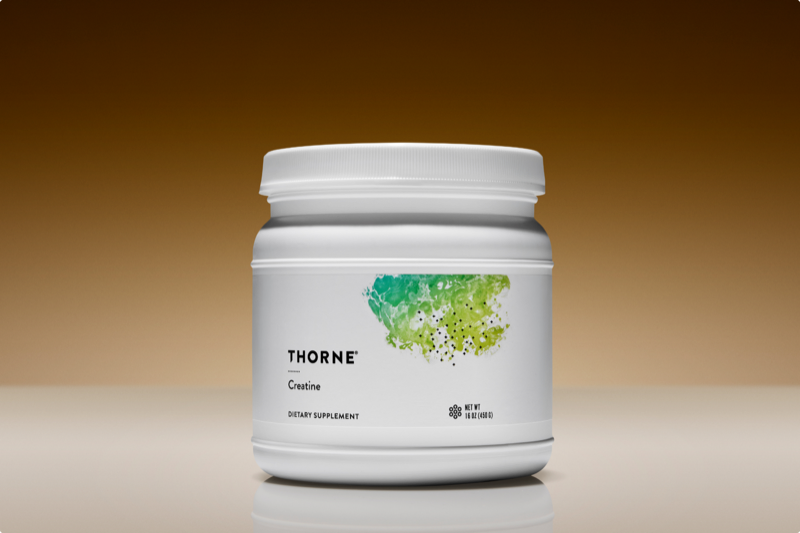
Creatine
Creatine has become the supplement that researchers seem reluctant to stop studying. Beyond its well-established benefits for strength and muscle, attention has turned to the brain. Early research suggests it may improve cognitive performance during periods of sleep deprivation, prolonged mental effort or mentally demanding work, although the evidence is still evolving.
Try: 3–5g of creatine monohydrate daily.
L-theanine
If coffee leaves you feeling productive one minute and jittery the next, L-theanine may be worth knowing about. Naturally found in tea, it appears to work best alongside caffeine, with research suggesting the pairing may improve alertness and attention while softening some of caffeine's less welcome side effects.
Try: 100–200mg of L-theanine, often paired with 50–100mg of caffeine.
Food for thought
The foods most likely to help you focus aren't particularly fashionable. They're the ones that keep you comfortably full, provide a steady supply of energy, and deliver the nutrients your brain relies on every day.
That doesn't require a complete diet overhaul. A breakfast with more protein, a handful of berries, oily fish once or twice a week, or swapping another coffee for lunch when you're hungry may not sound revolutionary, but those small decisions are backed by far stronger evidence than the latest brain-boosting trend.
The pursuit of better concentration often starts with a supplement aisle or another productivity hack. More often, it starts with your next meal.
Dieser Artikel dient ausschließlich Informationszwecken, auch wenn er Ratschläge von Ärzten und medizinischen Fachkräften enthält oder unabhängig davon, ob er solche enthält. Dieser Artikel ist kein Ersatz für professionelle medizinische Beratung, Diagnose oder Behandlung und ist auch nicht als solcher gedacht. Er sollte niemals als spezifischer medizinischer Rat herangezogen werden. Die in diesem Artikel geäußerten Ansichten sind die Ansichten des Experten und spiegeln nicht notwendigerweise die Ansichten von Healf wider.
Samantha Nice is a seasoned wellness writer with over a decade of experience crafting content for a diverse range of global brands. A passionate advocate for holistic wellbeing, she brings a particular focus to supplements, women’s health, strength training, and running. Samantha is a proud member of the Healf editorial team, where she merges her love for storytelling with industry insights and science-backed evidence.
An avid WHOOP wearer, keen runner (with a sub 1:30 half marathon) hot yoga enthusiast and regular gym goer, Samantha lives and breathes the wellness lifestyle she writes about. With a solid black book of trusted contacts (including some of the industry’s leading experts) she’s committed to creating accessible, well-informed content that empowers and inspires Healf readers.